

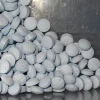

LSD – Fluff (Triple Refined
Lysergic acid diethylamide, commonly known as LSD or acid, is a powerful hallucinogenic substance that has captivated the minds of many since its discovery in the 1930s. As a semi-synthetic compound derived from ergot, a fungus that grows on rye, LSD is renowned for its ability to profoundly alter perception, mood, and cognitive processes. Users often report vivid visual and auditory hallucinations, a distorted sense of time, and an enhanced emotional experience, which can lead to both enlightening and challenging encounters.
The effects of LSD typically begin within 30 to 90 minutes after ingestion and can last up to 12 hours, depending on the dose and individual metabolism. During this time, users may experience synesthesia, where senses intertwine, such as “seeing” sounds or “hearing” colors. This unique sensory experience has made LSD a subject of interest not only for recreational users but also for researchers exploring its potential therapeutic applications, particularly in treating mental health disorders like depression and PTSD.
Despite its intriguing effects, LSD is classified as a Schedule I substance in many countries, indicating a high potential for abuse and no accepted medical use. This classification has hindered extensive research into its benefits and risks. However, recent studies have begun to challenge this perception, suggesting that, when used responsibly and in controlled settings, LSD may offer significant therapeutic benefits.
The culture surrounding LSD is rich and varied, often associated with the counterculture movements of the 1960s and 70s, where it was embraced as a tool for expanding consciousness and promoting creativity. Artists, musicians, and writers have long claimed that LSD enhances their creative processes, leading to groundbreaking works of art and literature.
In conclusion, LSD remains a complex and multifaceted substance, straddling the line between a tool for exploration and a potential risk for misuse. As society continues to evolve in its understanding of psychedelics, the conversation around LSD is likely to grow, opening doors to new possibilities in both science and culture.
LSD: A Deeper Exploration
LSD’s impact on the human psyche is profound, often leading to transformative experiences that can alter one’s worldview. Many users describe their journeys as deeply introspective, providing insights into personal issues and existential questions. This introspection can foster a sense of connectedness to the universe, nature, and other individuals, which some find spiritually enriching.
Mechanism of Action
- LSD primarily affects serotonin receptors in the brain, particularly the 5-HT2A receptor.
- This interaction leads to increased neural connectivity, which is believed to contribute to the vivid hallucinations and altered perceptions experienced during an LSD trip.
- The drug’s effects can vary significantly based on the user’s mindset and environment, often referred to as “set and setting.”
Potential Therapeutic Uses
Recent research has begun to uncover potential therapeutic applications for LSD, particularly in the fields of psychology and psychiatry. Some promising areas of study include:
-
Depression and Anxiety: Preliminary studies suggest that LSD may help alleviate symptoms of depression and anxiety, particularly in patients who have not responded to traditional treatments.
-
Addiction Treatment: LSD has shown potential in treating various forms of addiction, including alcohol and tobacco dependence, by promoting new perspectives and breaking habitual thought patterns.
-
End-of-Life Anxiety: Research indicates that LSD may help terminally ill patients confront their fears about death, leading to improved emotional well-being.
Cultural Significance
LSD has played a significant role in various cultural movements, particularly during the 1960s and 70s. It became synonymous with the counterculture, influencing music, art, and literature. Notable figures, such as Timothy Leary and Aldous Huxley, advocated for its use as a means of expanding consciousness and exploring the human experience.
Risks and Considerations
While LSD can offer profound experiences, it is not without risks. Some potential negative effects include:
-
Bad Trips: Users may experience overwhelming anxiety, paranoia, or frightening hallucinations, which can lead to lasting psychological distress.
-
Flashbacks: Some individuals report experiencing spontaneous recurrences of LSD effects long after the drug has worn off, known as Hallucinogen Persisting Perception Disorder (HPPD).
-
Legal Issues: As a Schedule I substance, possession and use of LSD can lead to legal consequences, impacting users’ lives significantly.
In summary, LSD is a complex substance with the potential for both profound personal insight and significant risks. As research continues to evolve, the understanding of LSD’s effects and potential benefits may reshape its place in society and medicine.
| Gram | 1, 2 |
|---|
Only logged in customers who have purchased this product may leave a review.
Related products

Psychedelic Products
Dissociative
Psychedelic


Reviews
There are no reviews yet.